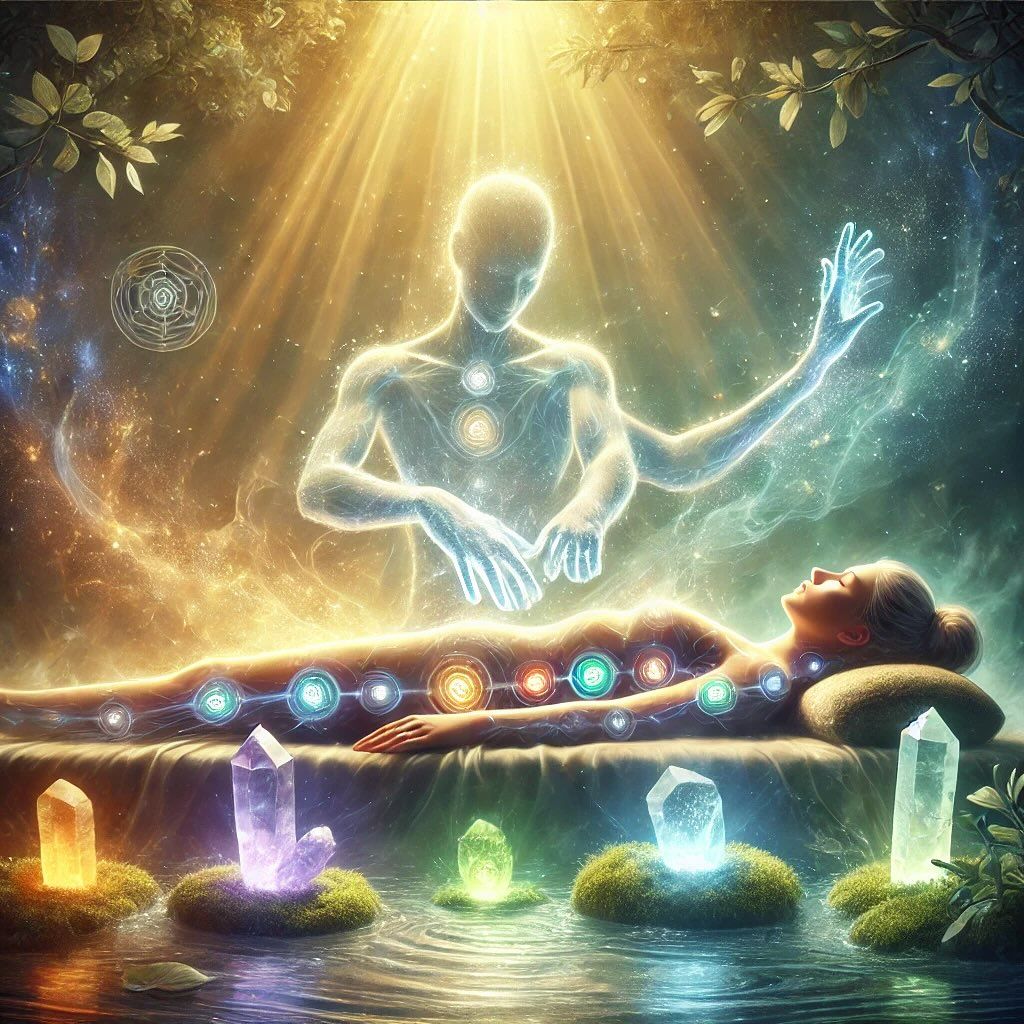
Reiki Healing: Complete Beginner’s Guide to Energy Healing
Reiki Healing is a gentle and natural form of energy healing that helps balance the mind, body, and emotions. Originating in Japan, Reiki is now practised worldwide as a complementary therapy for stress relief, emotional healing, and overall well-being.
In today’s fast-paced life, many people struggle with anxiety, fatigue, and emotional imbalance. Reiki healing offers a simple yet powerful way to restore inner harmony and reconnect with your natural healing ability.
This beginner’s guide explains what Reiki healing is, how it works, its benefits, and how you can start your Reiki journey.
What Is Reiki Healing?
The word Reiki comes from two Japanese words:
- Rei – Universal
- Ki – Life energy
Reiki means “universal life energy.” Reiki healing works on the belief that this energy flows through every living being. When this energy is blocked or low, people may experience stress, illness, or emotional imbalance.
A Reiki practitioner channels this universal energy through their hands to support the body’s natural healing process. It is non-invasive, gentle, and safe for all ages.
History of Reiki Healing
Reiki was developed in the early 20th century by Dr Mikao Usui in Japan. He rediscovered the ancient healing method during spiritual meditation and research.
After Usui, Reiki was passed on to:
- Dr. Chujiro Hayashi
- Hawayo Takata (who introduced Reiki to the West)
Today, Reiki is practised in:
- Hospitals
- Wellness centers
- Therapy clinics
- Yoga studios
- Spiritual communities
It is recognized as a complementary therapy in many parts of the world.
How Does Reiki Healing Work?
Reiki healing works on the principle that the body has an intelligent natural healing system.
During a Reiki session:
- The client lies fully clothed and relaxed
- The practitioner places hands lightly on or above the body
- Universal energy flows through the practitioner
- The energy moves to areas that need balance
- The body begins to relax deeply
Many people experience:
- Warmth
- Tingling sensations
- Deep relaxation
- Emotional release
- Mental clarity
Reiki does not replace medical treatment but supports healing at an energetic level.
The Role of Chakras in Reiki Healing
Chakras are energy centres in the body. There are 7 main chakras:
- Root Chakra – Safety, stability
- Sacral Chakra – Emotions, creativity
- Solar Plexus – Confidence, power
- Heart Chakra – Love, compassion
- Throat Chakra – Communication
- Third Eye – Intuition
- Crown Chakra – Spiritual connection
Reiki helps clear and balance these chakras, allowing energy to flow freely and harmoniously.
Benefits of Reiki Healing
Reiki healing offers many physical, emotional, and spiritual benefits:
Physical Benefits
- Reduces pain and tension
- Improves sleep quality
- Supports the immune system
- Helps with chronic fatigue
- Promotes relaxation
Emotional Benefits
- Reduces stress and anxiety
- Releases emotional blockages
- Improves mood
- Brings emotional clarity
- Supports trauma healing
Mental Benefits
- Improves focus
- Reduces overthinking
- Enhances peace of mind
- Improves emotional control
Spiritual Benefits
- Increases self-awareness
- Deepens inner peace
- Strengthens intuition
- Supports spiritual growth
Reiki Healing Levels
Reiki training is divided into three main levels:
Level 1 – Reiki Beginner
- Learn hand positions
- Self-healing techniques
- Basic energy understanding
Level 2 – Reiki Practitioner
- Distance healing
- Reiki symbols
- Healing others professionally
Level 3 – Reiki Master
- Teaching Reiki
- Advanced energy work
- Attunement techniques
Anyone can learn Reiki; no special talent is required.
What Happens During a Reiki Session?
A typical Reiki session lasts 45–60 minutes.
You may experience:
- Deep relaxation
- Light sleep
- Emotional release
- Calmness
- Feeling lighter
After the session, people often feel refreshed, peaceful, and emotionally balanced.
Can Reiki Heal Diseases?
Reiki is not a medical cure, but it helps the body heal naturally by:
- Reducing stress (which is a root cause of many illnesses)
- Supporting emotional health
- Improving energy balance
It works best as a complementary therapy alongside medical treatment, not a replacement.
Reiki Healing vs Other Energy Healing Methods
| Reiki Healing | Pranic Healing | Acupuncture |
|---|---|---|
| Hands-on energy transfer | No touch healing | Uses needles |
| Gentle & calming | Active energy cleansing | Physical treatment |
| Easy to learn | Requires advanced training | Medical-based |
| Spiritual approach | Energy-based | Body meridians |
Reiki is known for its simplicity and gentleness.
Common Myths About Reiki Healing
Reiki is religious
Reiki is spiritual but not religious
Reiki is magic
Reiki is energy balancing
Reiki is dangerous
Reiki is safe and natural
Only gifted people can do Reiki
Anyone can learn Reiki
How to Start Your Reiki Journey
If you want to experience Reiki:
- Book a session with a certified practitioner
- Learn basic Reiki Level 1
- Practice self-healing daily
- Meditate regularly
- Stay hydrated after sessions
Reiki works best with openness and patience.
Scientific View on Reiki Healing
Modern science is still researching energy healing. However:
- Hospitals use Reiki for stress reduction
- Cancer patients use Reiki for comfort
- Therapists recommend Reiki for emotional healing
Reiki may not yet be fully explained by science, but its calming effects are widely accepted.
Final Thoughts
Reiki healing is a beautiful blend of science, spirituality, and self-care. It teaches us that healing does not always require force — sometimes, it simply requires balance.
In a world full of stress and pressure, Reiki offers:
- Peace
- Clarity
- Emotional strength
- Inner stability
Whether you seek healing, relaxation, or spiritual growth, Reiki can be a gentle companion on your journey.
Ready to experience deep relaxation and inner balance?
Book your personalised Reiki healing session today and begin your journey toward peace and wellness.