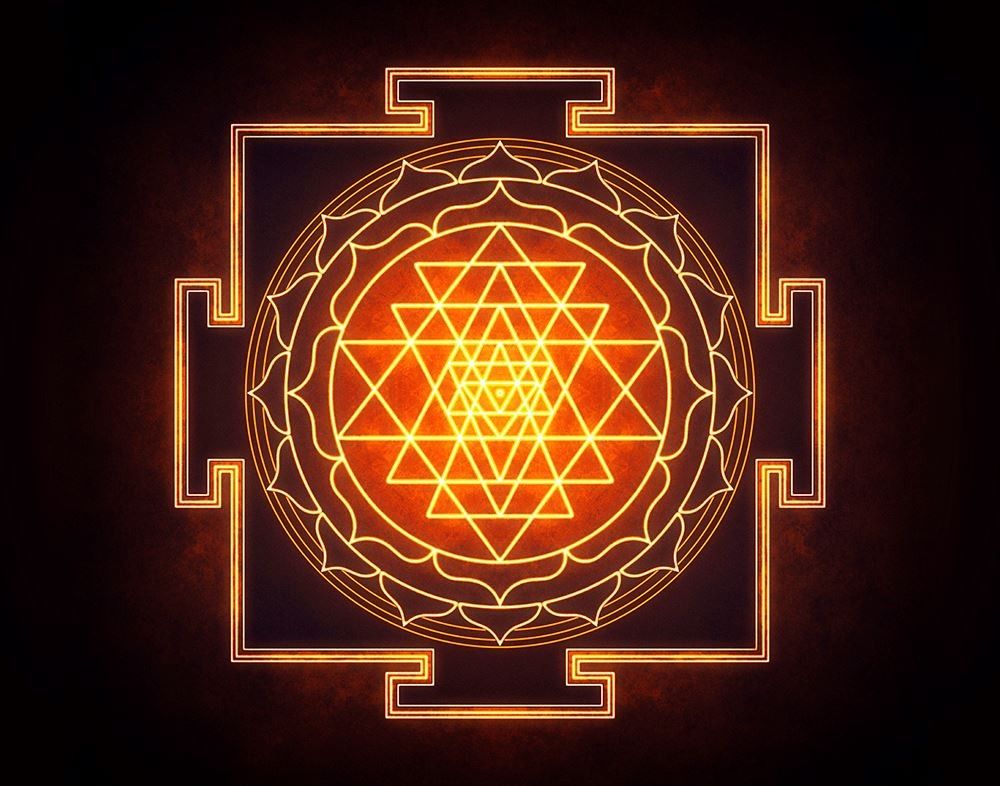
Yantra: Complete Beginner’s Guide to Meaning, Types, Benefits & How to Use
Yantra is one of the most powerful tools in ancient Indian spiritual traditions. A Yantra is a sacred geometric diagram designed to focus the mind, channel energy, and support spiritual growth. For centuries, sages, yogis, and seekers have used Yantras for meditation, protection, prosperity, peace, and manifestation.
In modern life, many people use Yantras to improve concentration, attract positivity, and create a calm environment at home or work. This beginner-friendly guide will help you understand what Yantras are, how they work, their types, benefits, and how to use them correctly.
What Is a Yantra?
The word Yantra comes from Sanskrit:
-
Yan – to control or discipline
-
Tra – instrument or tool
So, Yantra means a tool for focus and transformation.
A Yantra is usually made using:
-
Sacred geometry (triangles, circles, lotus petals, lines)
-
Mantras (powerful sounds)
-
Symbols connected with divine energies
Yantras are used to:
-
Focus the mind during meditation
-
Strengthen positive energy
-
Reduce negativity
-
Support spiritual and emotional balance
Unlike decoration, a Yantra is meant to be used with awareness and intention.
History and Origin of Yantras
Yantras are deeply rooted in ancient Indian traditions such as:
-
Tantra
-
Vedic practices
-
Yoga
-
Meditation traditions
Ancient scriptures describe Yantras as visual forms of divine energy. Just as mantras use sound vibration, Yantras use visual vibration to influence the mind and consciousness.
Temples, meditation spaces, and spiritual rituals often use Yantras to create sacred environments.
How Yantras Work
Yantras work on three main levels:
1. Psychological Level
The symmetrical patterns of a Yantra help calm the mind and improve concentration. When you gaze at a Yantra, your mind becomes still and focused.
2. Symbolic Level
Each Yantra carries deep symbolic meaning. The shapes, patterns, and structure represent cosmic forces and inner energies.
3. Energetic Level (Spiritual Perspective)
Spiritually, Yantras are believed to channel specific energies related to prosperity, protection, wisdom, or peace.
You don’t need blind belief. Even scientifically, geometric symmetry is known to influence the brain toward calmness and focus.
Structure of a Typical Yantra
Most traditional Yantras include:
-
Bindu (dot) – The center point, symbol of pure consciousness
-
Triangles – Represent masculine and feminine energies
-
Circles – Symbol of wholeness and protection
-
Lotus petals – Represent purity and awakening
-
Outer square (Bhupura) – Boundary that protects the energy
Each part is designed with precision to create a powerful visual meditation tool.
Popular Types of Yantras and Their Purpose
Different Yantras are used for different life goals.
Shri Yantra
The most powerful and famous Yantra.
-
Supports prosperity and abundance
-
Enhances spiritual growth
-
Improves harmony and clarity
Ganesh Yantra
-
Removes obstacles
-
Brings success in new beginnings
-
Helpful for students and professionals
Lakshmi Yantra
-
Attracts wealth and financial stability
-
Supports business growth
Saraswati Yantra
-
Improves learning, creativity, and intelligence
-
Beneficial for students, artists, writers
Kuber Yantra
-
Connected with wealth and material prosperity
-
Used for business success
Navgraha Yantra
-
Balances planetary energies
-
Used in astrology-based practices
Each Yantra has its own symbolic energy and purpose.
Benefits of Using Yantras
People use Yantras for many positive reasons:
Mental Benefits
-
Improves focus and concentration
-
Reduces stress and overthinking
-
Supports meditation practice
-
Increases mental clarity
Emotional Benefits
-
Brings emotional balance
-
Promotes calmness
-
Reduces negative thought patterns
Spiritual Benefits
-
Deepens meditation
-
Encourages self-awareness
-
Strengthens spiritual discipline
Practical Life Benefits (Symbolic & Psychological Support)
-
Helps in goal-setting
-
Improves confidence
-
Supports positive mindset
-
Encourages consistency in spiritual practices
Yantras are best seen as tools for inner alignment, not magic objects.
How to Use a Yantra Correctly
Using a Yantra is simple and does not require complicated rituals.
Placement
You can place a Yantra:
-
In your meditation room
-
On your work desk
-
In your prayer space
-
Near your bed
-
In your office or shop
Keep it in a clean and respectful place.
Gazing Practice (Yantra Meditation)
-
Sit comfortably
-
Place the Yantra at eye level
-
Gently gaze at the center (Bindu)
-
Breathe slowly
-
Observe your thoughts without force
-
Practice for 5–10 minutes daily
This practice can significantly improve focus and calmness.
Intention Matters Most
Before using a Yantra, set a clear intention:
-
Peace
-
Focus
-
Confidence
-
Gratitude
-
Growth
Yantras work best when combined with mindfulness and consistency.
Yantra and Mantra Connection
Yantras are often paired with Mantras.
-
Mantra = Sound energy
-
Yantra = Visual energy
For example:
-
Lakshmi Yantra + Lakshmi Mantra
-
Ganesh Yantra + Ganesh Mantra
This combination strengthens concentration and devotional connection.
Yantra in Modern Life
Today, Yantras are used in:
-
Meditation practices
-
Yoga studios
-
Therapy and healing spaces
-
Homes for a peaceful environment
-
Offices for focus and productivity
-
Personal development routines
Many people who are not religious also use Yantras simply as tools for mental clarity and mindfulness.
Yantra vs Mandala
People often confuse Yantras with Mandalas.
| Yantra | Mandala |
|---|---|
| Spiritual tool from Indian tradition | Art-based spiritual symbol (often Buddhist) |
| Used for specific purpose | Used for meditation and expression |
| Precise sacred geometry | More artistic and creative |
| Linked with mantras and deities | Often symbolic and cultural |
Both are powerful tools for mental focus.
How to Choose the Right Yantra
Choose a Yantra based on your goal:
-
For focus and clarity → Saraswati Yantra
-
For obstacles and new beginnings → Ganesh Yantra
-
For prosperity → Shri Yantra or Lakshmi Yantra
-
For planetary balance → Navgraha Yantra
-
For spiritual growth → Shri Yantra
Beginners often start with the Shri Yantra because of its overall balancing nature.
How to Start Your Yantra Practice
If you are new to Yantras:
-
Start with one Yantra
-
Place it in a quiet space
-
Spend 5 minutes daily gazing at it
-
Maintain consistency
-
Observe your mental and emotional changes
-
Combine it with simple breathing
You don’t need complicated rituals — simplicity works best.
Ethical Use of Yantras
Responsible use of Yantras should always:
-
Encourage self-awareness
-
Avoid fear-based practices
-
Support emotional balance
-
Respect personal belief systems
-
Never replace medical or professional advice
Yantras are tools for growth, not dependency.
Final Thoughts
Yantras are not superstition. They are powerful symbols of focus, discipline, and inner harmony. Their geometric beauty naturally attracts the mind toward stillness and clarity.
In a world full of distractions, Yantras offer:
-
A point of focus
-
A path to mindfulness
-
A symbol of intention
-
A reminder of inner balance
Whether you use Yantras for spiritual practice or mental clarity, their true power lies in how consistently and mindfully you use them.
Want to choose the right Yantra for your goals and lifestyle?
Get your personalized Yantra guidance today and begin your journey toward clarity, focus, and positive energy.